


XR @ Cornell
XR Collaboratory Contact
XR CollaboratoryContact
XR @ Cornell
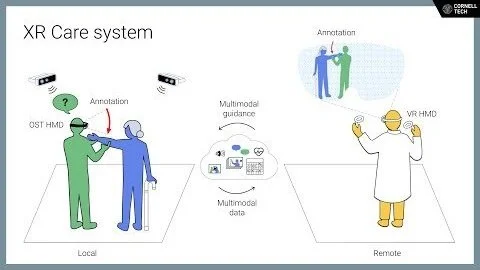
Designing Extended Reality Guidance for Physical Caregiving Tasks
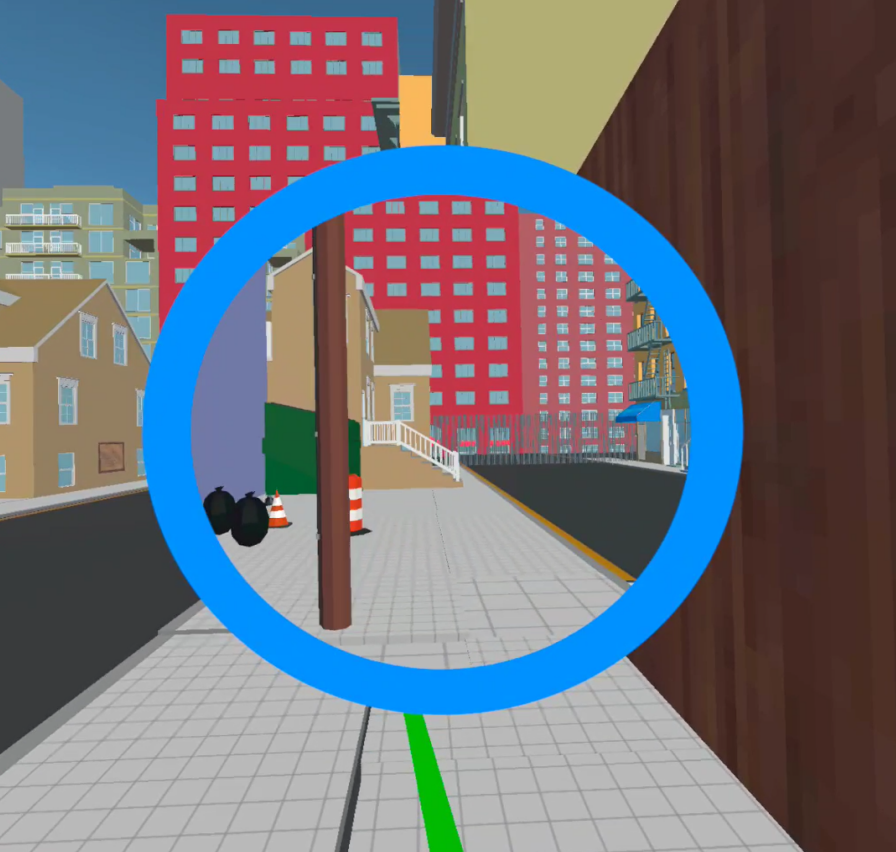
Continuous Travel In Virtual Reality Using a 3D Portal

Continuous Travel In Virtual Reality Using a 3D Portal

Andrew Atkins, Serge Belongie, Harald Haraldsson

UIST '21: The Adjunct Publication of the 34th Annual ACM Symposium on User Interface Software and Technology

PDF

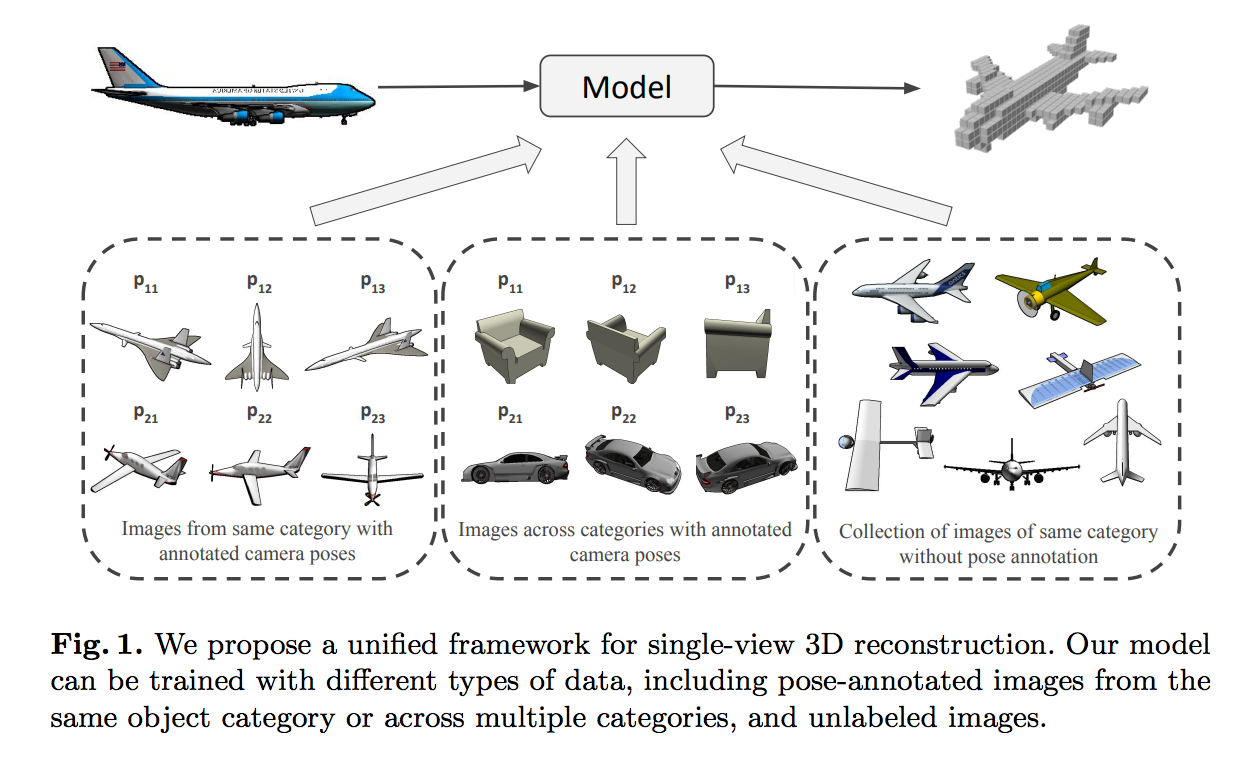
Learning Single-View 3D Reconstruction with Limited Pose Supervision

Learning Single-View 3D Reconstruction with Limited Pose Supervision

Guandao Yang, Yin Cui, Serge Belongie, Bharath Hariharan

European Conference on Computer Vision (ECCV), Munich, Germany, 2018.

Paper

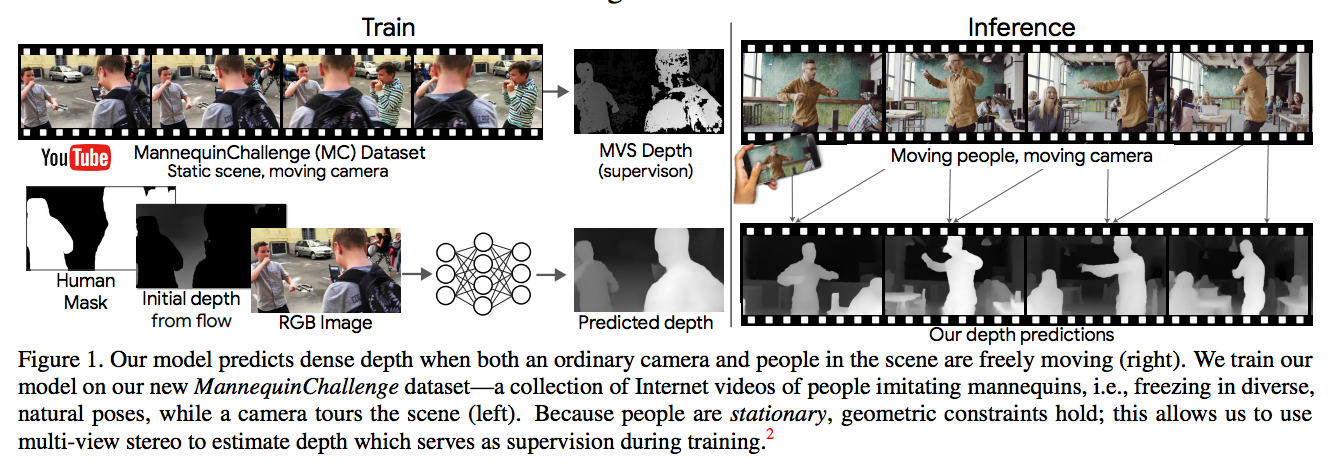
Learning the Depths of Moving People by Watching Frozen People

Learning the Depths of Moving People by Watching Frozen People

Zhengqi Li, Tali Dekel, Forrester Cole, Richard Tucker, Noah Snavely, Ce Liu, William T. Freeman

IEEE Conference on Computer Vision and Pattern Recognition (CVPR), Long Beach, CA, 2019 (Oral)

Paper | Supplementary Material | Project | Video

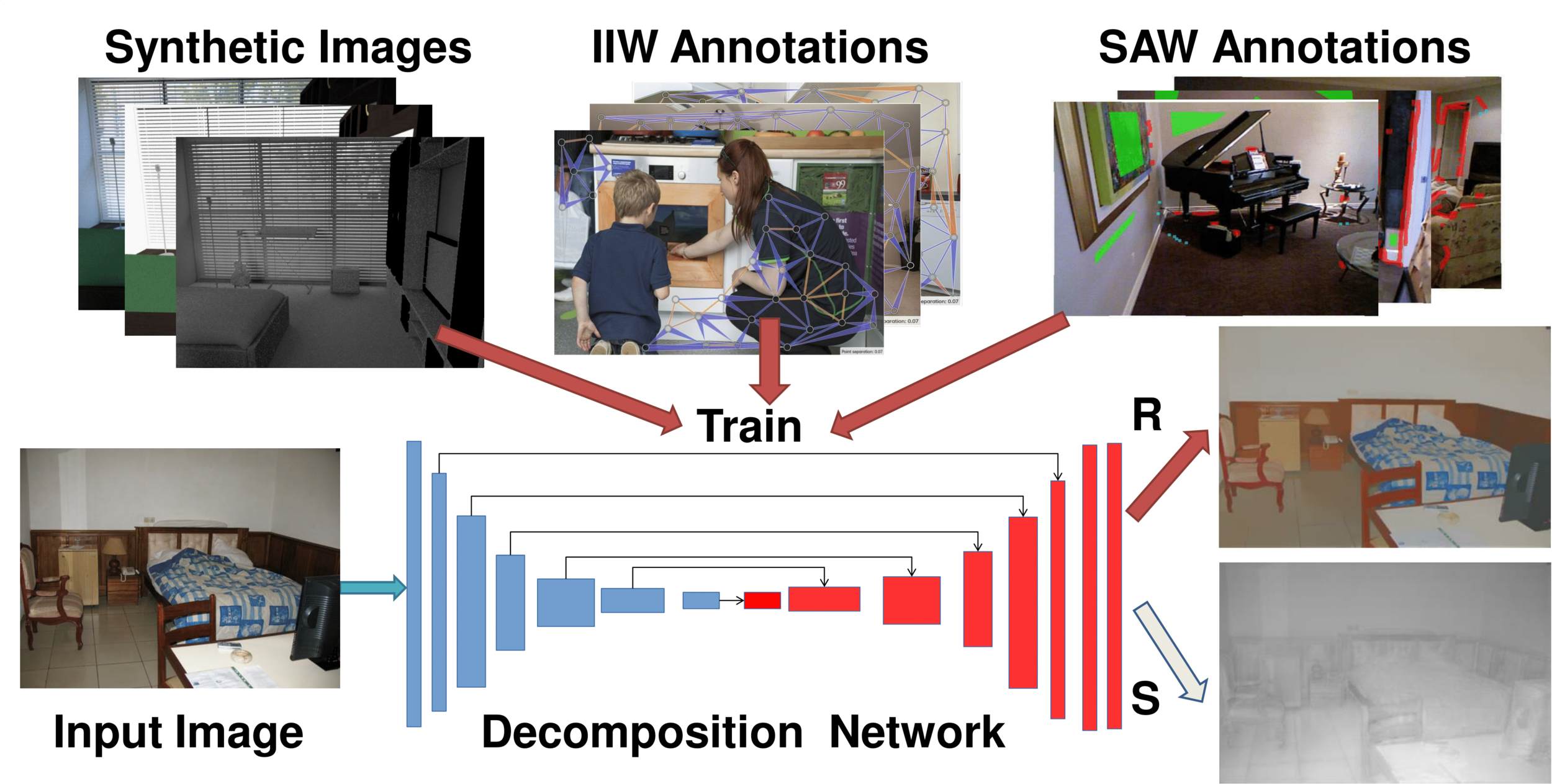
CGINTRINSICS: Better Intrinsic Image Decomposition through Physically-Based Rendering

CGINTRINSICS: Better Intrinsic Image Decomposition through Physically-Based Rendering

Zhengqi Li, Noah Snavely

European Conference on Computer Vision (ECCV), Munich, Germany, 2018

Paper | Website

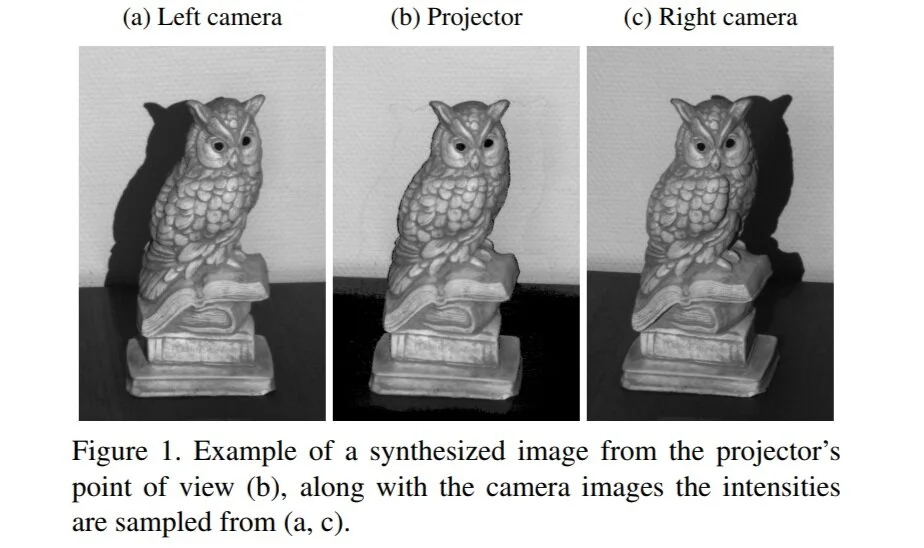
Generating Spatial Attention Cues via Illusory Motion

Generating Spatial Attention Cues via Illusory Motion

Janus Nortoft Jensen, Morten Hannemose, Jakob Wilm, Anders Bjorholm Dahl, Jeppe Refall Frisvad, Serge Belongie

CVPR Workshop on Computer Vision for Augmented and Virtual Reality, Long Beach, CA, 2019

PDF

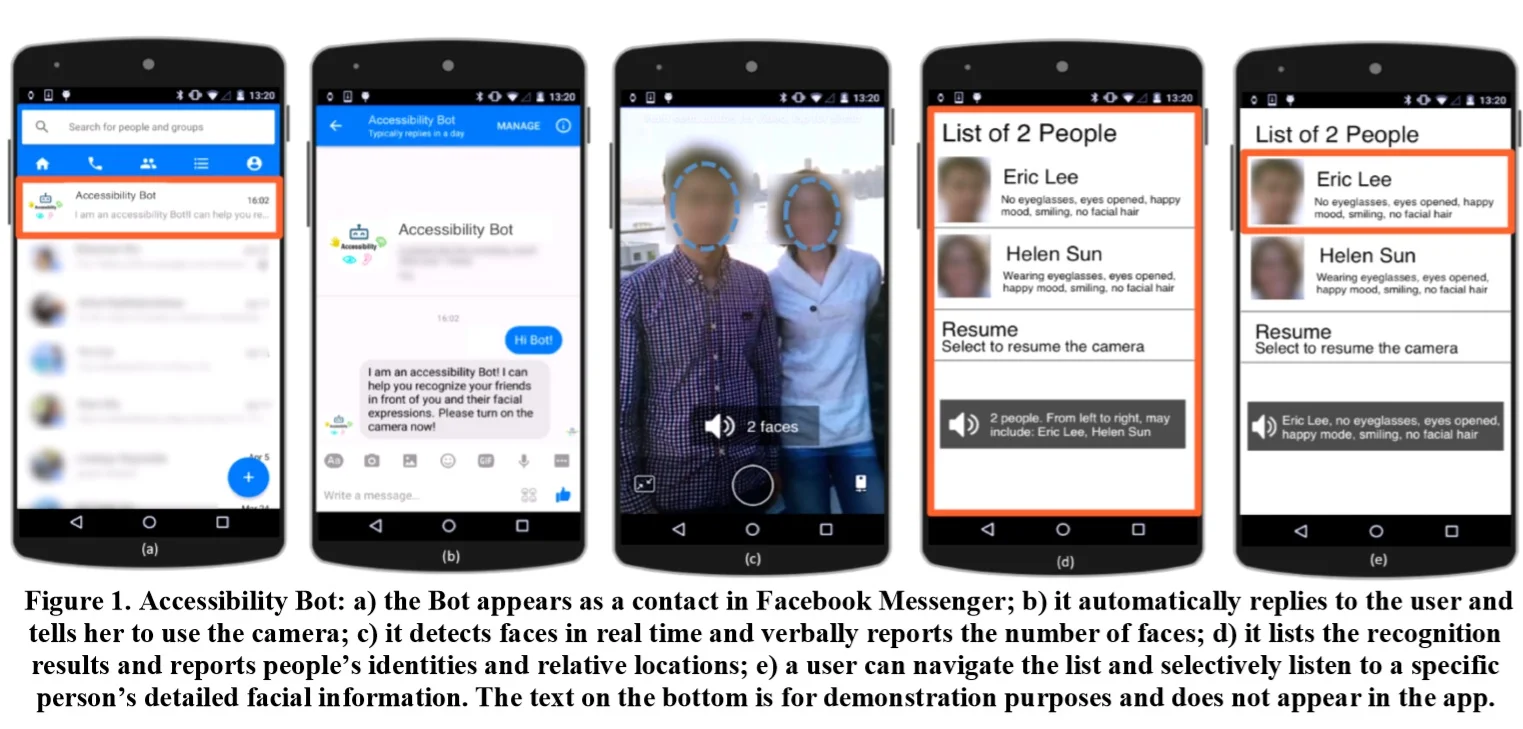
A Face Recognition Application for People with Visual Impairments: Understanding Use Beyond the Lab

A Face Recognition Application for People with Visual Impairments: Understanding Use Beyond the Lab

Yuhang Zhao, Shaomei Wu, Lindsay Reynolds, Shiri Azenkot

ACM Conference on Computer-Human Interaction (CHI), Montreal, 2018

Link

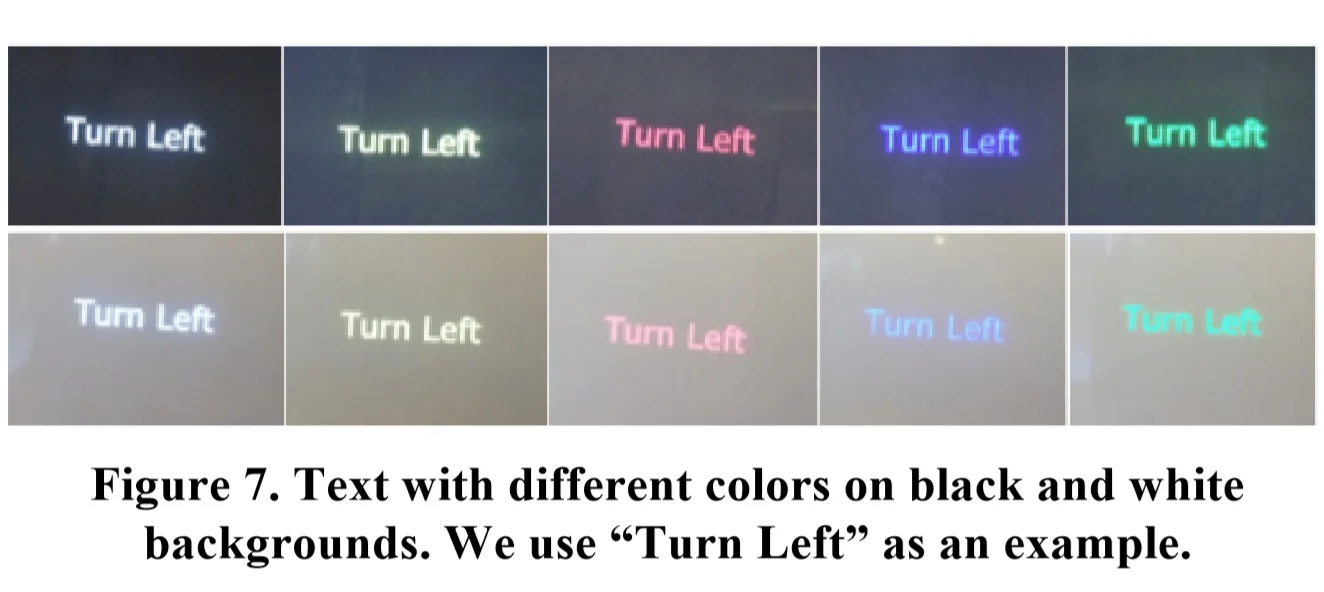
Understanding Low Vision People's Visual Perception on Commercial Augmented Reality Glasses

Understanding Low Vision People's Visual Perception on Commercial Augmented Reality Glasses

Yuhang Zhao, Michele Hu, Shafeka Hashash, Shiri Azenkot

ACM Conference on Computer-Human Interaction (CHI), Denver, CO, May 6-11, 2017

Link

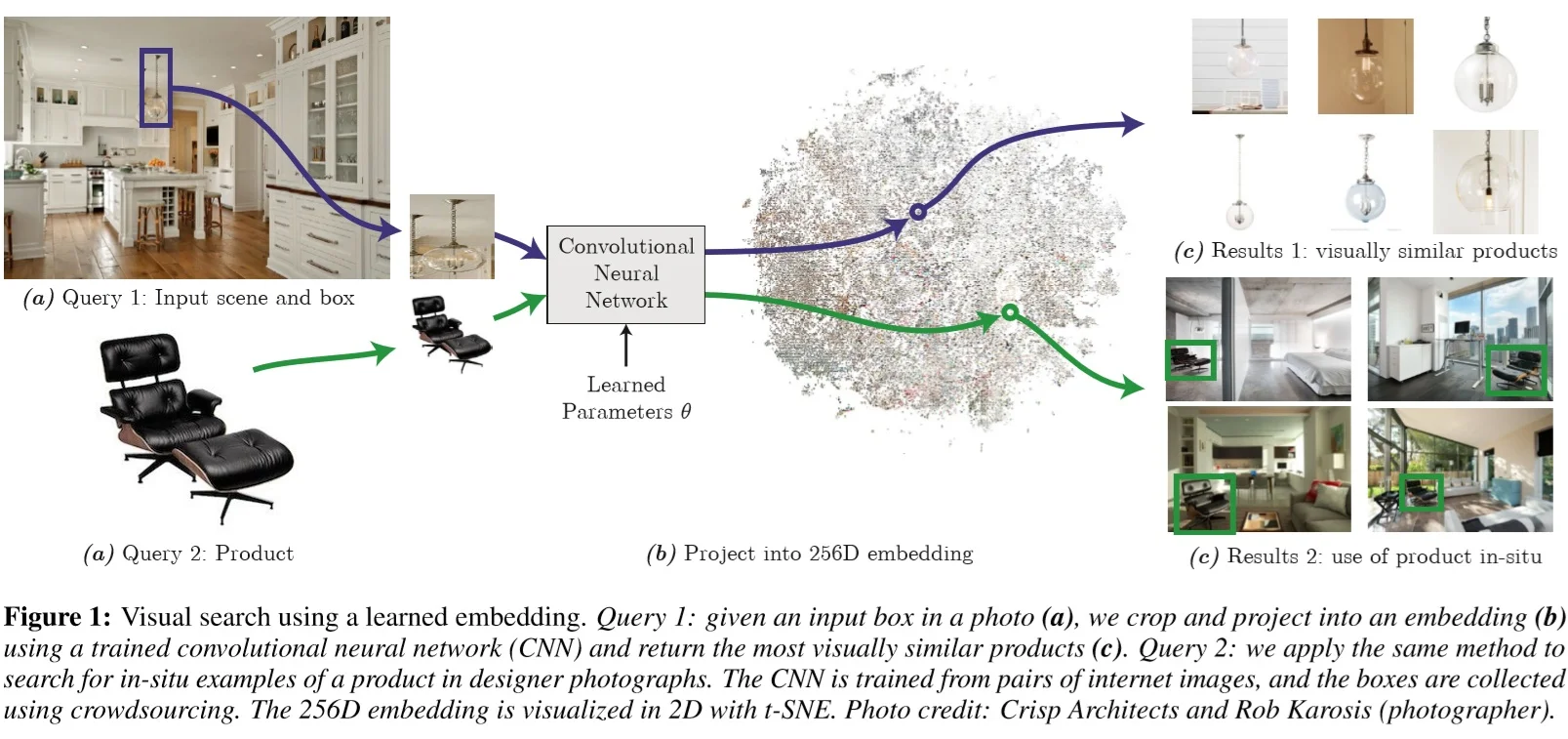
Learning Visual Similarity for Product Design with Convolutional Neural Networks

Learning Visual Similarity for Product Design with Convolutional Neural Networks

Sean Bell, Kavita Bala

ACM Transactions on Graphics, 34(4), 2015

Paper

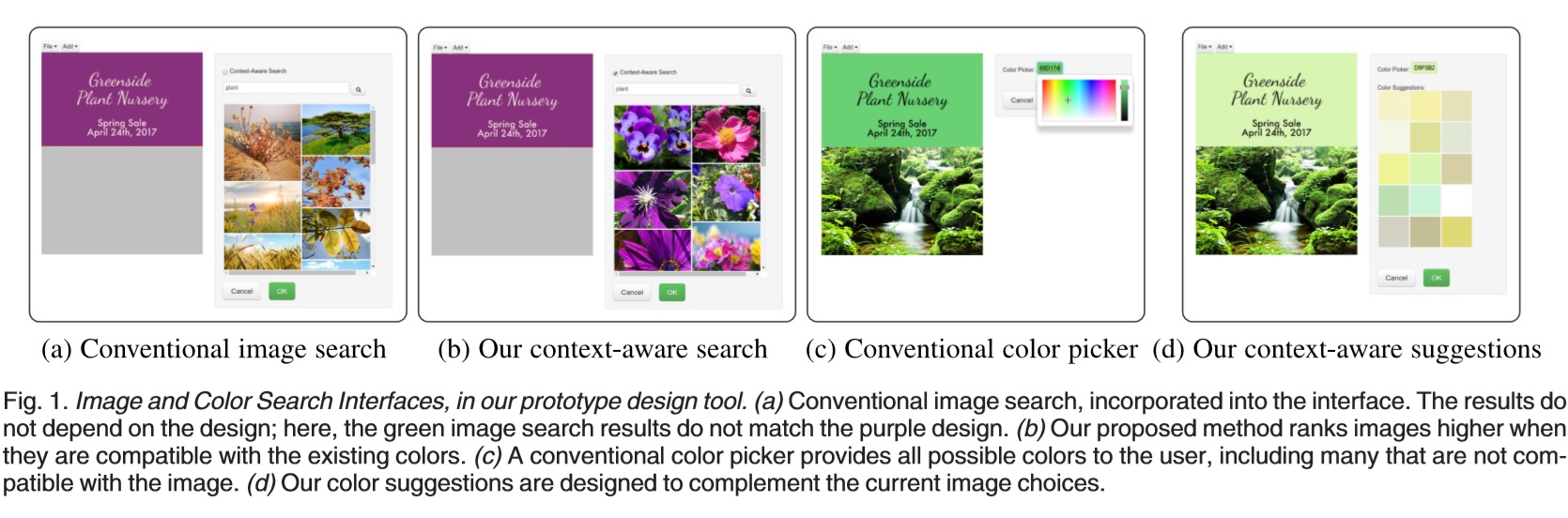
Context-Aware Asset Search for Graphic Design

Context-Aware Asset Search for Graphic Design

Balazs Kovacs, Peter O’Donovan, Kavita Bala, Aaron Hertzmann

IEEE Transactions on Visualization and Computer Graphics, 25(7), 2018.

Paper

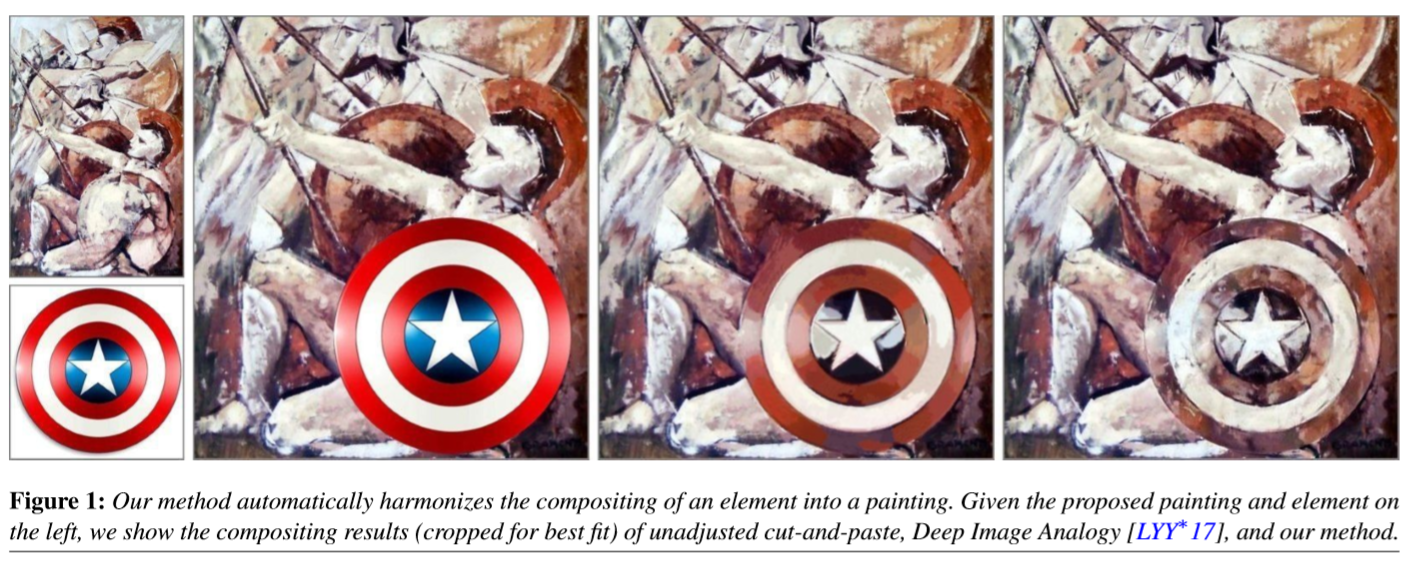
Deep Painterly Harmonization

Deep Painterly Harmonization

Fujun Luan, Sylvain Paris, Eli Shechtman, Kavita Bala

Computer Graphics Forum, July 2018

Paper

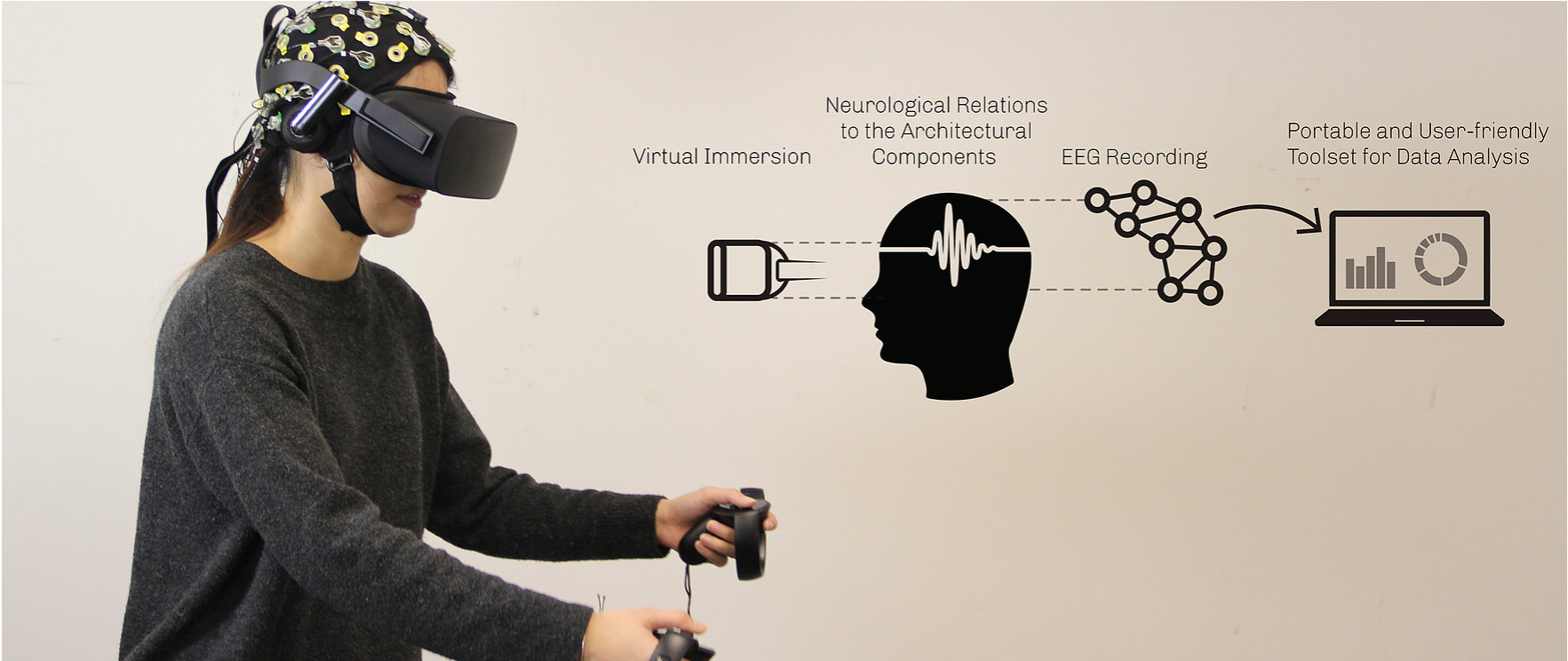
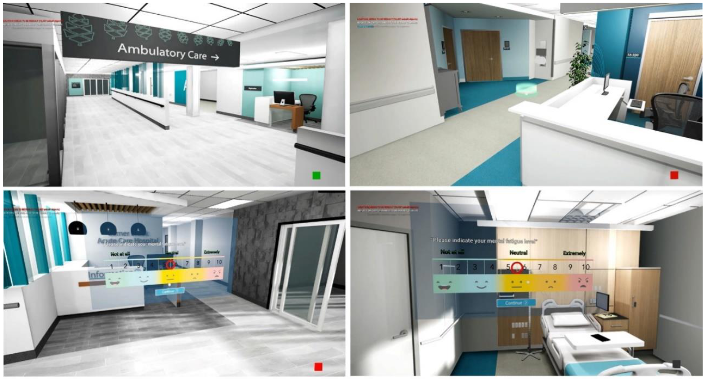
Promoting Human-Centered Architectural Design through Biometric Data and Virtual Response Testing

Promoting Human-Centered Architectural Design through Biometric Data and Virtual Response Testing

Principal Investigator: Saleh Kalantari

This project uses virtual reality and biophysical measurement to evaluate peoples’ reactions to innovative built environments before they’re constructed. The team is capturing measures of stress, anxiety, and other aspects of well-being, and creating a new interface to evaluate human-experience factors during the design review process.

Website

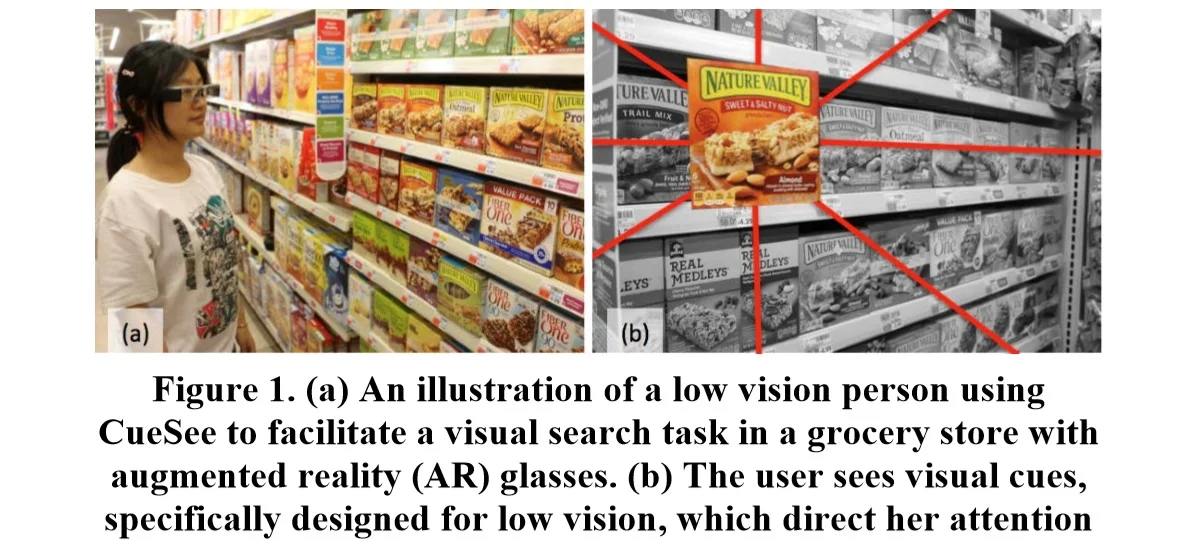
CueSee: Exploring Visual Cues for People with Low Vision to Facilitate a Visual Search Task

CueSee: Exploring Visual Cues for People with Low Vision to Facilitate a Visual Search Task

Yuhang Zhao, Sarit Szpiro, Jonathan Knighten, Shiri Azenkot

ACM Conference on Pervasive and Ubiquitous Computing (UBICOMP), Heidelberg, Germany, September 2016

Paper

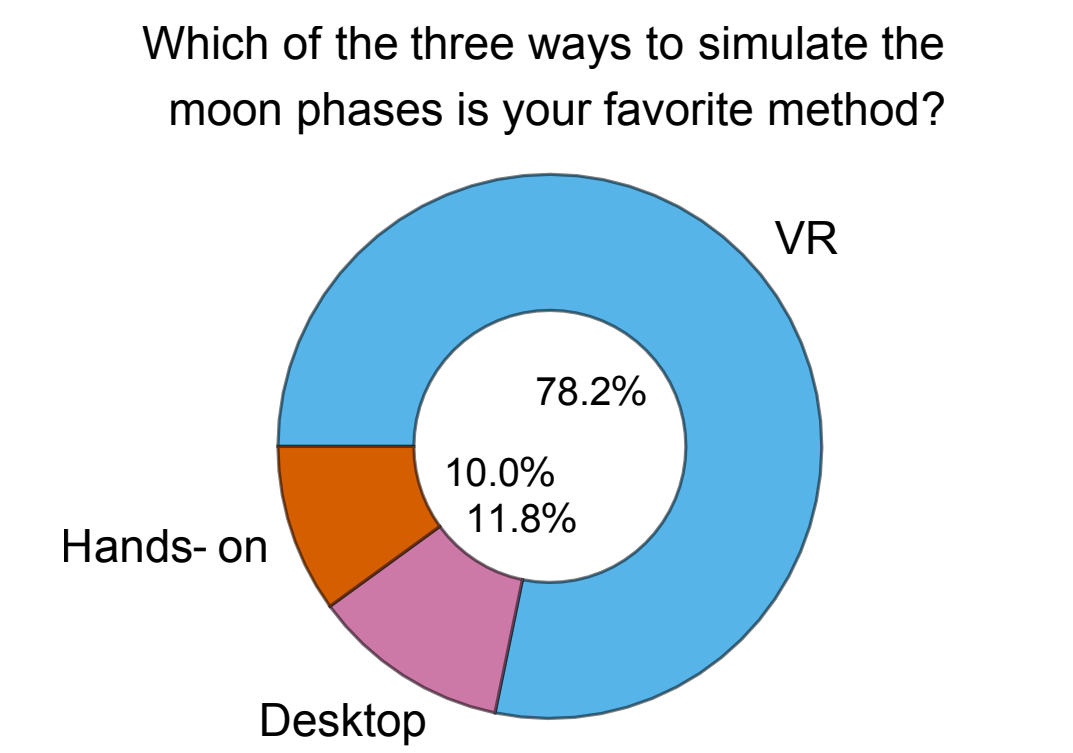
Virtual Reality as a Teaching Tool for Moon Phases and Beyond

Virtual Reality as a Teaching Tool for Moon Phases and Beyond

Jack H Madden, Andrea Stevenson Won, Jon P Schuldt, Byoungdoo Kim, Swati Pandita, Yilu Sun, T J Stone, N G Holmes

Pre-published on arXiv

Paper

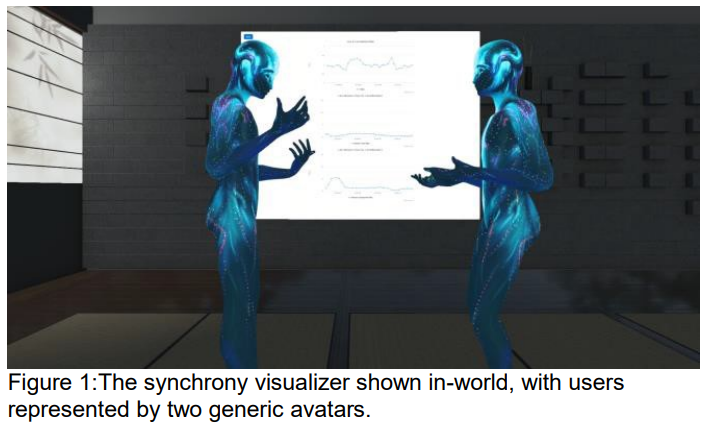
Movement Visualizer for Networked Virtual Reality Platforms

Movement Visualizer for Networked Virtual Reality Platforms

Omar Shaikh, Yilu Sun, Andrea Stevenson Won

IEEE Conference on Virtual Reality and 3D User Interfaces, Reutlingen, Germany, 2018

Paper

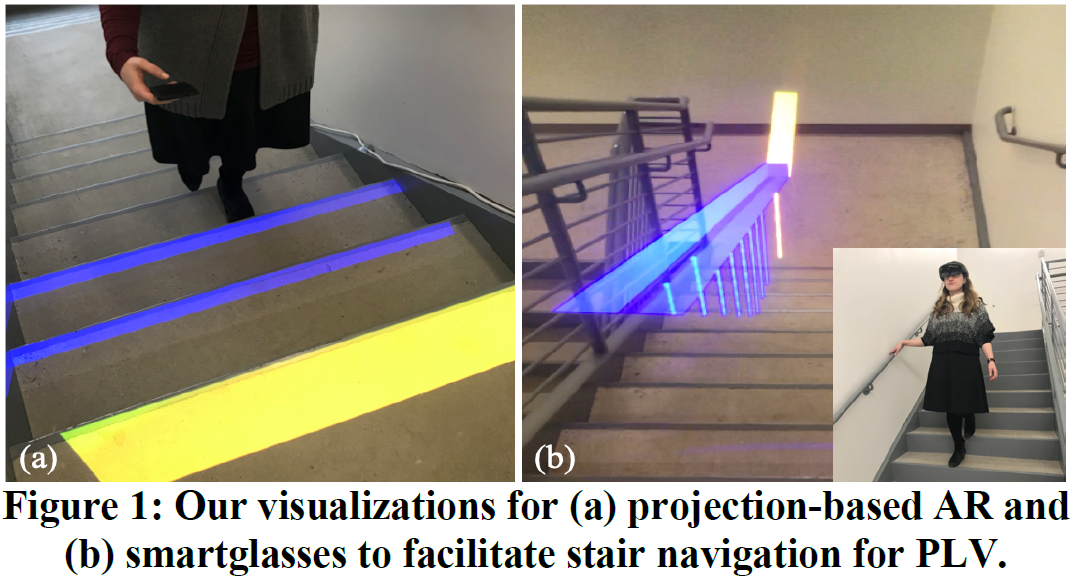
Designing AR Visualizations to Facilitate Stair Navigation for People with Low Vision

Designing AR Visualizations to Facilitate Stair Navigation for People with Low Vision

Yuhang Zhao, Elizabeth Kupferstein, Brenda Veronica Castro, Steven Feiner, Shiri Azenkot

Presented at the ACm Symposium on User Interface Software and Technology (UIST), 2019

PDF | Video

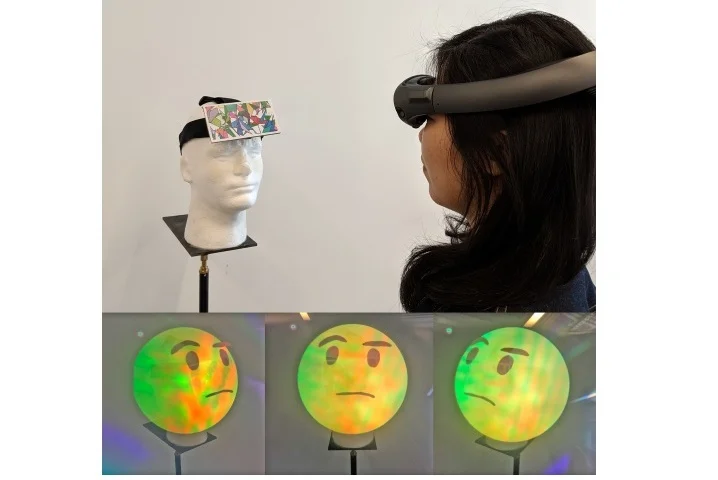
Anon-Emoji: An Optical See-Through Augmented Reality System for Reducing Appearance Bias in Social Interactions

Anon-Emoji: An Optical See-Through Augmented Reality System for Reducing Appearance Bias in Social Interactions

Ran Sun, Harald Haraldsson, Yuhang Zhao, Serge Belongie

CVPR Workshop on Computer Vision for Augmented and Virtual Reality, Long Beach, CA, 2019

Extended Abstract

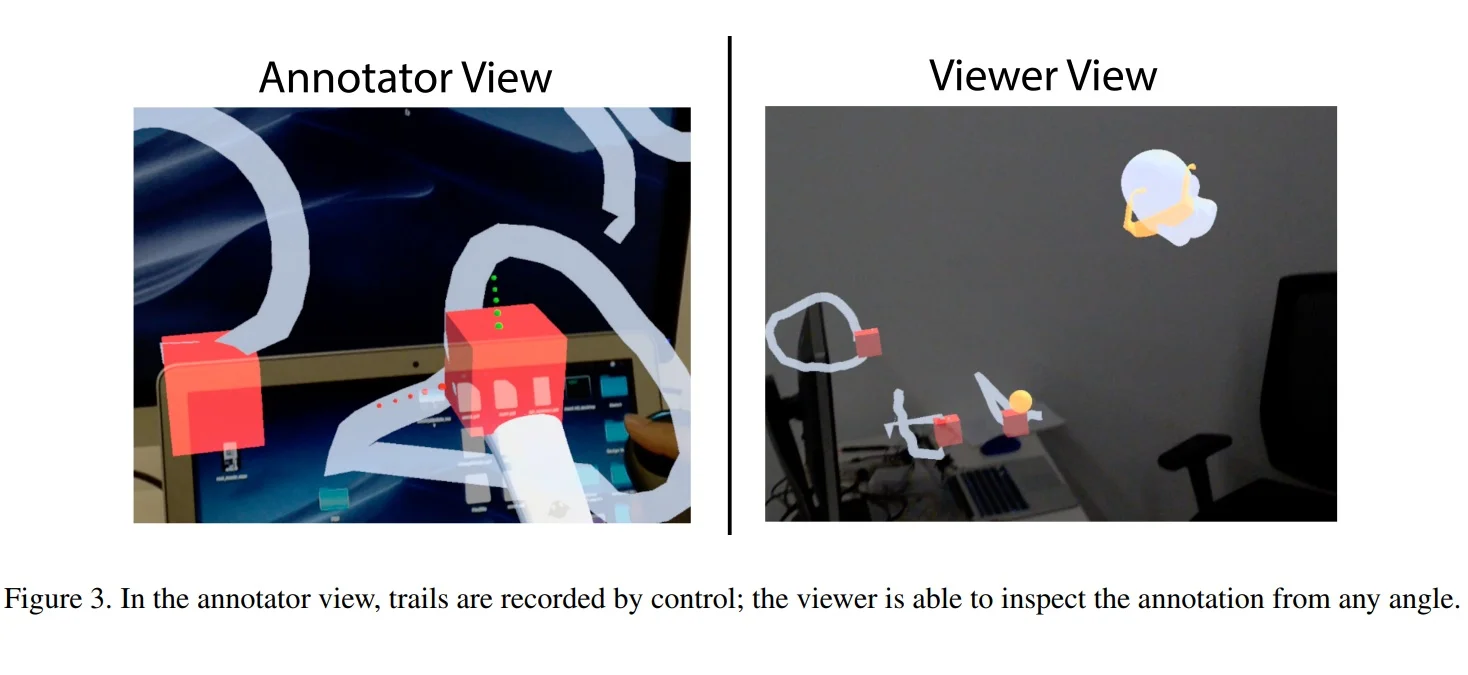
Annotate All! A Perspective Preserved Asynchronous Annotation System for Collaborative Augmented Reality

Annotate All! A Perspective Preserved Asynchronous Annotation System for Collaborative Augmented Reality

Po Yen Tseng, Harald Haraldsson, Serge Belongie

CVPR Workshop on Computer Vision for Augmented and Virtual Reality, Long Beach, CA, 2019

Extended Abstract

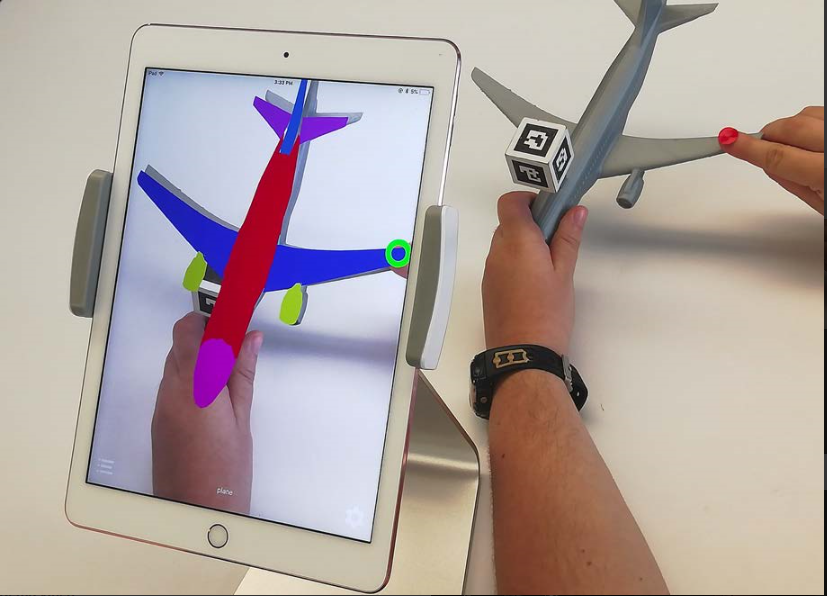
Markit and Talkit: A Low-Barrier Toolkit to Augment 3D Printed Models with Audio Annotations

Markit and Talkit: A Low-Barrier Toolkit to Augment 3D Printed Models with Audio Annotations

Lei Shi, Yuhang Zhao, Shiri Azenkot

ACM Symposium on User Interface Systems and Technology (UIST), 2017

Paper

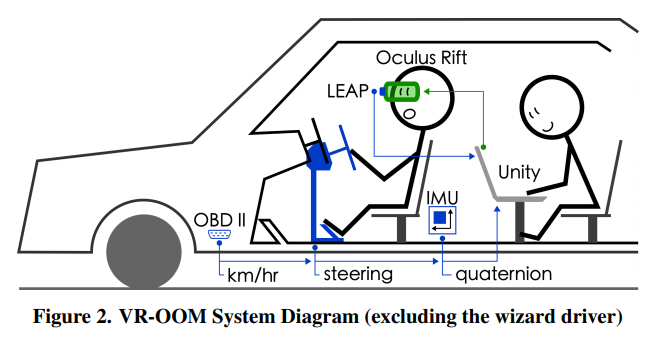
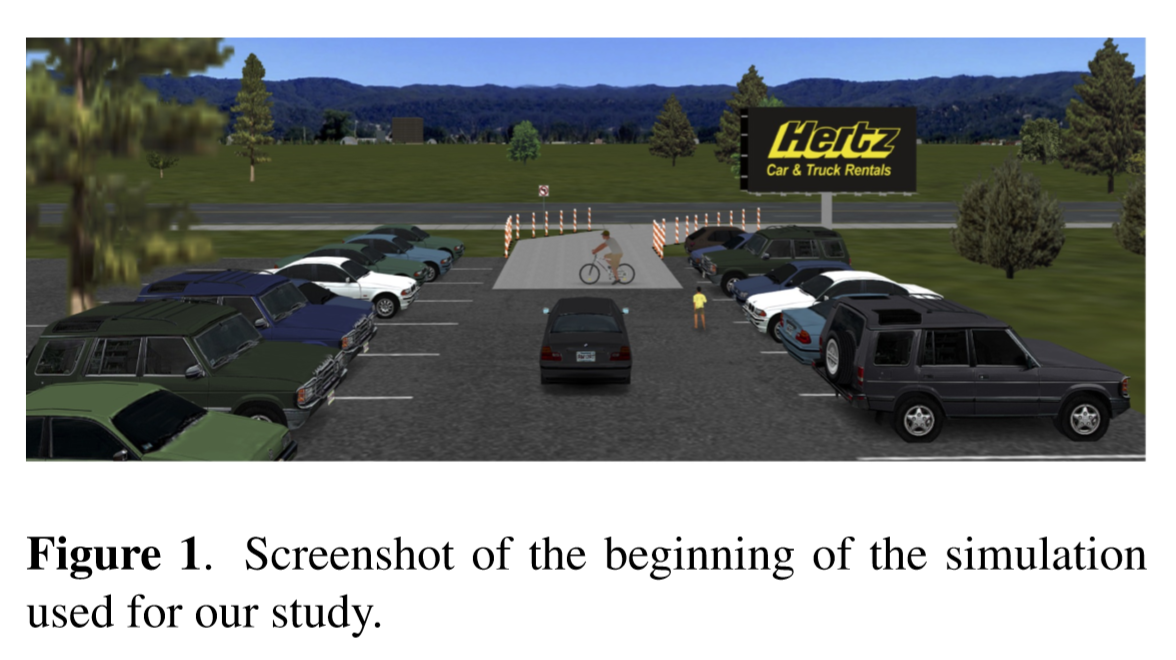
VR-OOM: Virtual Reality On-Road Driving Simulation

VR-OOM: Virtual Reality On-Road Driving Simulation

David Goedicke, Jamy Li, Vanessa Evers, Wendy Ju

ACM Conference on Computer-Human Interaction, Montreal, Canada, April 2018

Paper

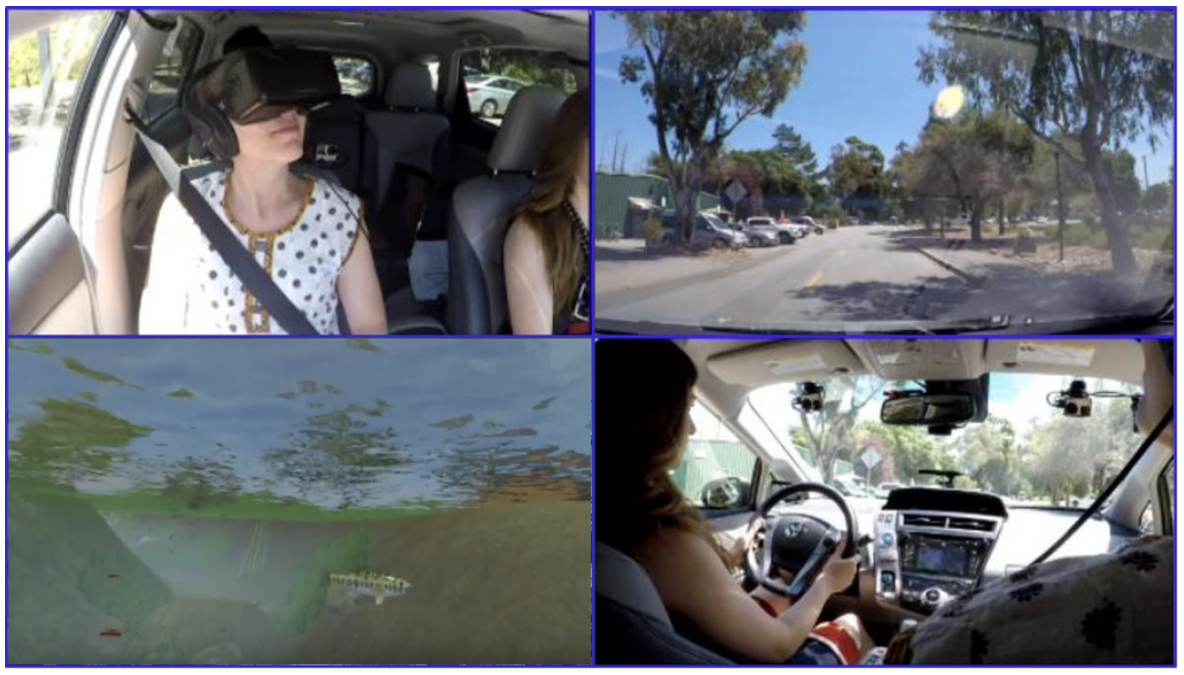
Driving with the Fishes: Towards Calming and Mindful Virtual Reality Experiences for the Car

Driving with the Fishes: Towards Calming and Mindful Virtual Reality Experiences for the Car

Pablo E Paredes, Staphanie Balters, Kyle Qian, Elizabeth Murnane, Francisco Ordonez, Wendy Ju, James A Landay

Proceedings of the ACM on Interactive, Mobile, Wearable, and Ubiquitous Technologies 2(4), 2018

Paper

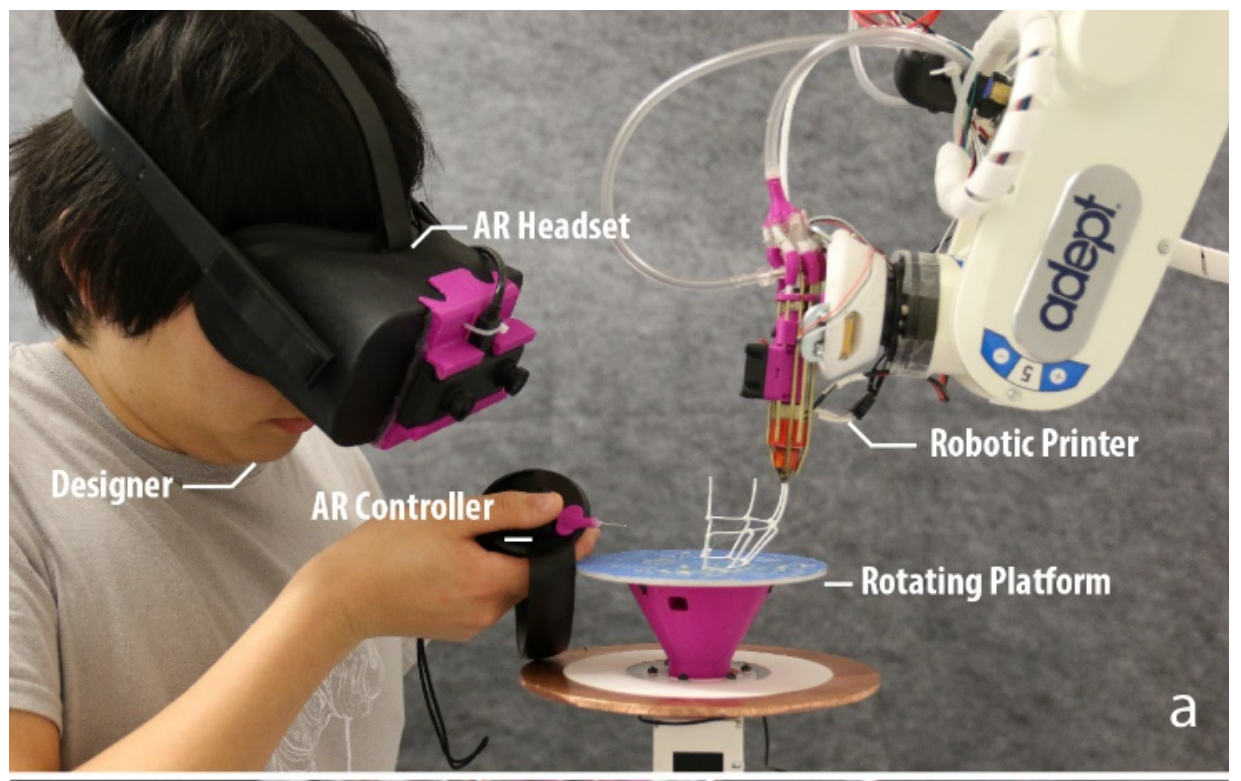
RoMA: Interactive Fabrication with Augmented Reality and a Robotic 3D Printer

RoMA: Interactive Fabrication with Augmented Reality and a Robotic 3D Printer

Huaishu Peng, Jimmy Briggs, Cheng-Yao Wang, Kevin Guo, Joseph Kider, Stefanie Mueller, Patrick Baudisch, Francois Guimbretiere

ACM Conference on Computer Human Interaction (CHI), Montreal, Canada, 2018


Paper

Virtual Reality Exposure versus Prolonged Exposure for PTSD: Which Treatment for Whom?

Virtual Reality Exposure versus Prolonged Exposure for PTSD: Which Treatment for Whom?

Aaron M Noor, Derek J Smolenski, Andrea C Katz, Albert A Rizzo, Barbara O Rothbaum, JoAnn Difede, Patricia Koenen-Woods

Depression and Anxiety 35(6), 2018

Access

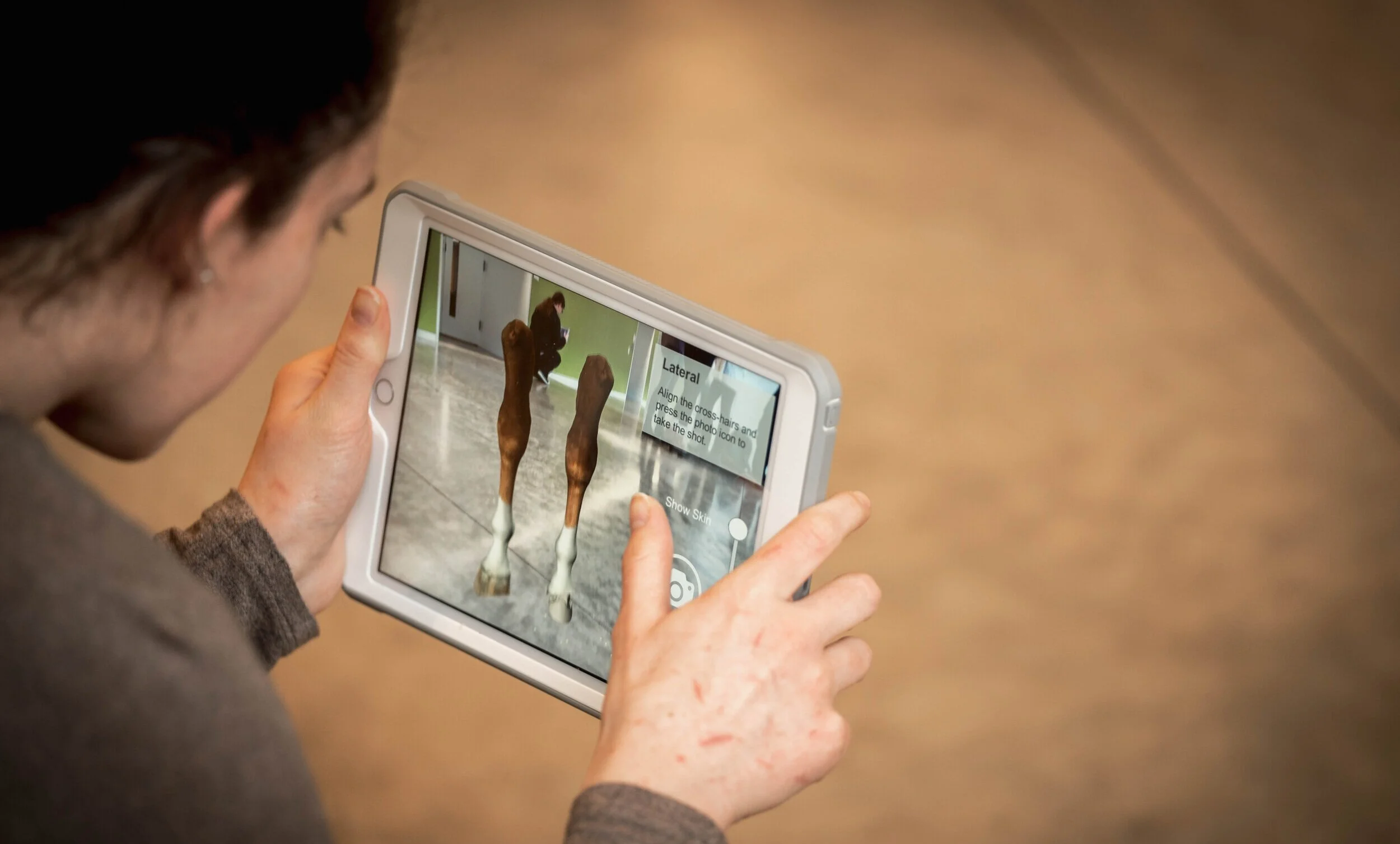
AR For Equine Radiography Training

AR For Equine Radiography Training

Allison Buck and Julie Powell

Developed at the Cornell College of Veterinary Medicine, the Augmented Reality (AR) application allowed students to practice a notoriously difficult concept to learn: visualizing and capturing radiographic views of the equine carpus. Presented with a case-based scenario, students worked in small groups to evaluate the equine patient’s history and perform virtual diagnostic tests. During one of their virtual tests, the AR application prompted students to position their radiographic equipment (the iPad) relative to their patient’s forelimb to capture several images necessary for diagnosis. Within the application, students controlled the transparency of the forelimb to expose its underlying bony anatomy, thus allowing further review of the bones before positioning to take the radiograph. After students were satisfied with the views they took, using the screen-capture feature programmed within the app, they uploaded their results to the learning management system (LMS) to be graded by the instructor.

Video

A Faust Based Driving Simulator Sound Synthesis Engine

A Faust Based Driving Simulator Sound Synthesis Engine

Romain Michon, Mishel Johns, Sile O’Modhrain, Nick Gang, Nikhil Gowda, David Sirkin, Chris Chafe, Matthew James Wright, Wendy Ju

Proceedings of the 13th Sound and Music Computing Conference, Hamburg, Germany, 2016.

Paper

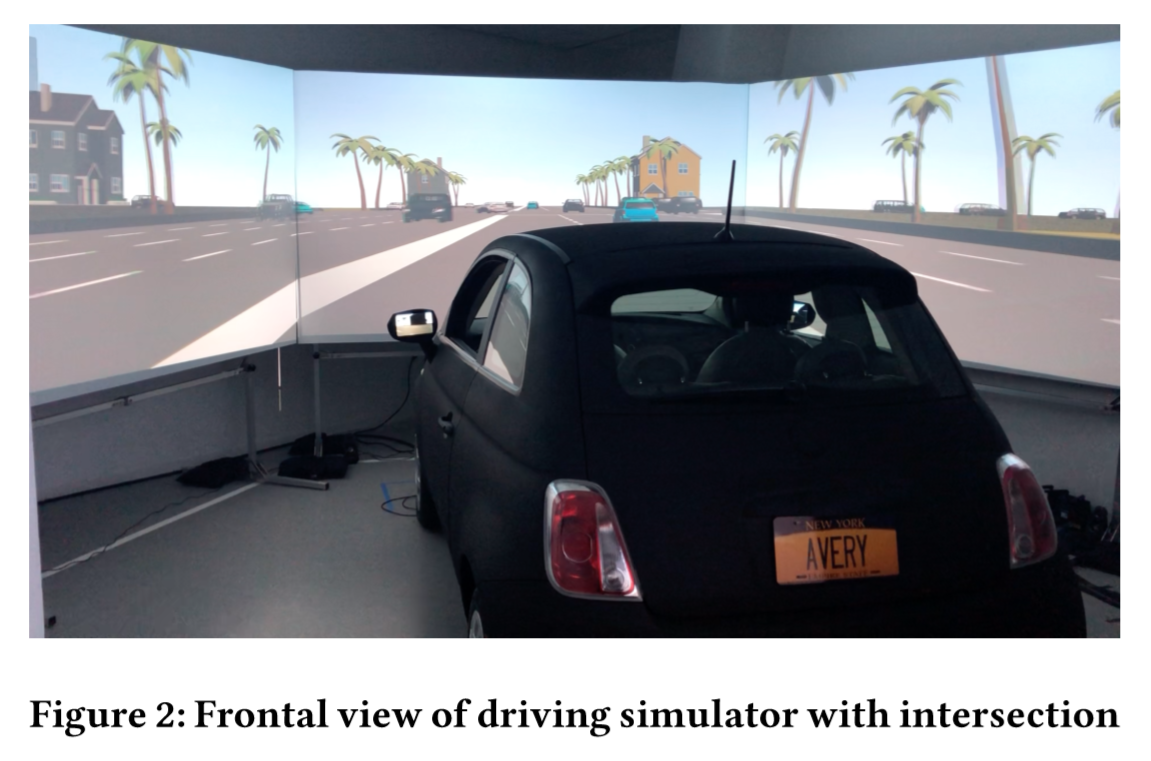
How People Experience Autonomous Intersections: Taking a First-Person Perspective

How People Experience Autonomous Intersections: Taking a First-Person Perspective

Sven Krome, David Goedicke, Thomas J Matarazzo, Zimeng Zhu, Zhenwei Zhang, J D Zamfirescu-Pereira, Wendy Ju

Proceedings of AutomotiveUI 2019

Link

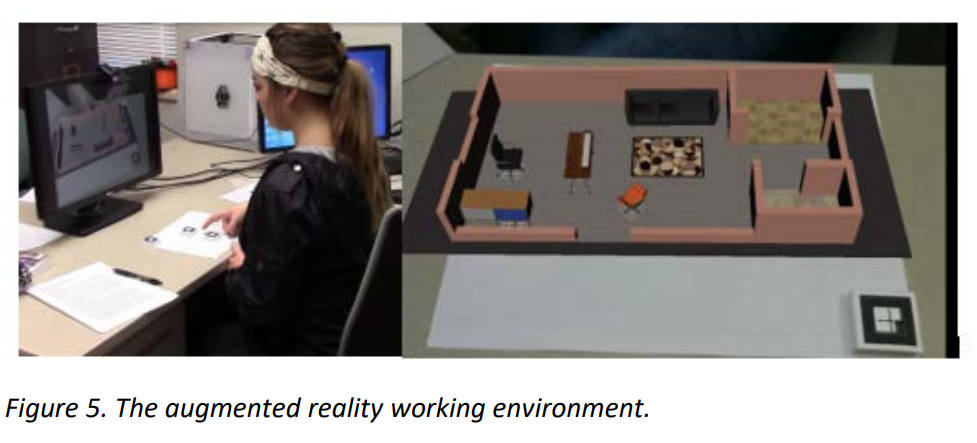
Augmented Reality, Virtual Reality, and their Effect on Learning Style in the Creative Design Process

Augmented Reality, Virtual Reality, and their Effect on Learning Style in the Creative Design Process

Tilanka Chandrasekera and So-Yeon Yoon

Design and Technology Education, 23(1), pp 55-75, 2018.

Link

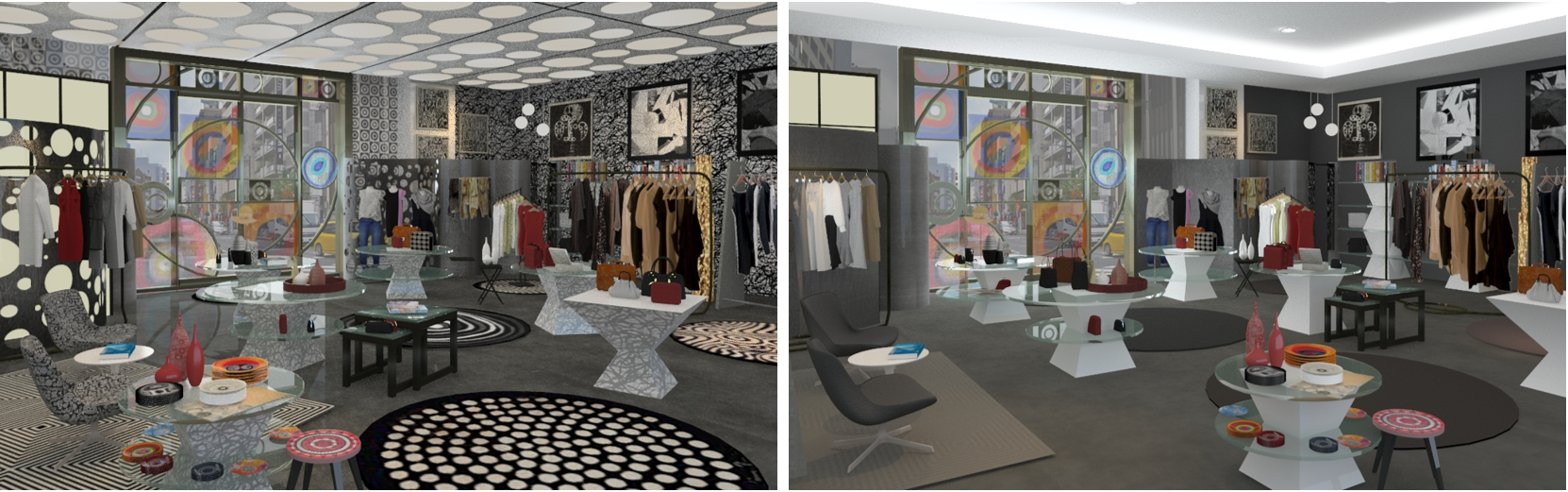
Store Design: Visual Complexity and Consumer Responses

Store Design: Visual Complexity and Consumer Responses

Ju Yeun Jang, Eunsoo Baek, So-Yeon Yoon, and Ho Jung Choo

International Journal of Design, 12(2), pp 105-118.

Link

As in-store experience becomes increasingly important, retailers strive to create unique and memorable environments. A trend toward the goal is to emphasize decorative elements increasing store complexity, however, how such elevated store complexity would contribute to consumer response is yet to be explored. This study investigates the effect of visual complexity in a fashion store on affective/behavioral responses using self-report and psychophysiological measures. The findings provide novel understanding of the effects of the store’s visual complexity to consumers.

Effects of Detail and Navigability on Size Perception in Virtual Envrionments

Effects of Detail and Navigability on Size Perception in Virtual Envrionments

Reza Sadeghi and So-Yeon Yoon

The International Journal of Architectonic, Spatial, and Environmental Design 10(3), pp 17-26.

Link

Nonverbal Synchrony in Virtual Reality

Nonverbal Synchrony in Virtual Reality

Yilu Sun, Omar Shaikh, & Andrea Stevenson Won

PLoS one, 14(9).

Paper

Again, Together: Socially Reliving Virtual Reality Experiences When Separated

Again, Together: Socially Reliving Virtual Reality Experiences When Separated

Cheng Yao Wang, Mose Sakashita, Upol Ehsan, Jingjin Li, Andrea Stevenson Won

Proceedings of CHI 2020

Link

Curating a Decolonial XR FutureMuseum: An Exercise in Speculative Architecture

Curating a Decolonial XR FutureMuseum: An Exercise in Speculative Architecture

Tao Leigh Goffe

Extending reality and using mixed media this project meditates on the uses of virtual reality, augmented reality, and gaming to code and theorize a virtual museum in the future, the year 2350. In development as part of the Milstein Summer Program, we will work with students to ask in what ways video games offer a portal into another cosmology, another universe? In doing so we will redefine the intersection of artifact, art, archive, and metadata amplified by the virtual.

Ready Student One: Exploring the Predictors of Student Learning in Virtual Reality

Ready Student One: Exploring the Predictors of Student Learning in Virtual Reality

Jack Madden, Swati Pandita, Jon P. Schuldt, Byoungdoo Kim, Andrea Stevenson Won, N. G. Holmes

PLoS one 15(3)

Paper

Supporting Self-Injury Recovery: The Potential for Virtual Reality Intervention

Supporting Self-Injury Recovery: The Potential for Virtual Reality Intervention

Kaylee Payne Kruzan, Janis Whitlock, Natalya N. Bazarova, Katherine D. Miller, Julia Chapman, Andrea Stevenson Won

Proceedings of CHI 2020

Link

Virtual Environments for Design Research: Lessons Learned Use of Fully Immersive Virtual Reality in Interior Design Research

Virtual Environments for Design Research: Lessons Learned Use of Fully Immersive Virtual Reality in Interior Design Research

Saleh Kalantari, Jun Rong Jeffrey Neo

Journal of Interior Design, May 2020

Paper

Comparing physiological responses during cognitive tests in virtual environments vs. in identical real-world environments

Comparing physiological responses during cognitive tests in virtual environments vs. in identical real-world environments

Saleh Kalantari, James D. Rounds, Julia Kan, Vidushi Tripathi, Jesus G. Cruz-Garza

Scientific Reports, 2021

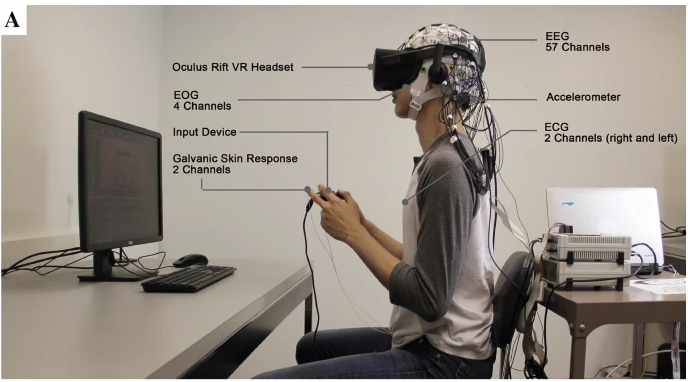
Immersive virtual environments (VEs) are increasingly used to evaluate human responses to design variables. VEs provide a tremendous capacity to isolate and readily adjust specific features of an architectural or product design. They also allow researchers to safely and effectively measure performance factors and physiological responses. However, the success of this form of design-testing depends on the generalizability of response measurements between VEs and real-world contexts.

Paper

EEG-based Investigation of the Impact of Classroom Design on Cognitive Performance of Students

EEG-based Investigation of the Impact of Classroom Design on Cognitive Performance of Students

Jesus G. Cruz-Garza, Michael Darfler, James D. Rounds, Elita Gao, Saleh Kalantari

ArXiv Pre-Print, 2021

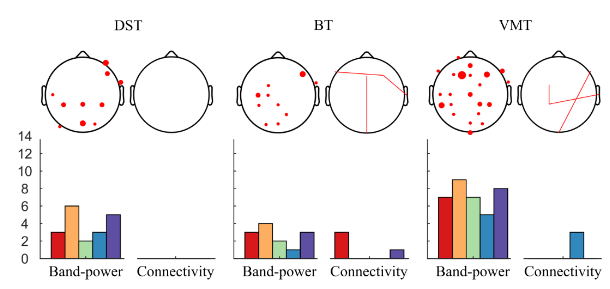
This study investigated the neural dynamics associated with short-term exposure to different virtual classroom designs with different window placement and room dimension. Participants engaged in five brief cognitive tasks in each design condition including the Stroop Test, the Digit Span Test, the Benton Test, a Visual Memory Test, and an Arithmetic Test. Performance on the cognitive tests and Electroencephalogram (EEG) data were analyzed by contrasting various classroom design conditions. The cognitive-test-performance results showed no significant differences related to the architectural design features studied. We computed frequency band-power and connectivity EEG features to identify neural patterns associated to environmental conditions. A leave one out machine learning classification scheme was implemented to assess the robustness of the EEG features, with the classification accuracy evaluation of the trained model repeatedly performed against an unseen participant's data. The classification results located consistent differences in the EEG features across participants in the different classroom design conditions, with a predictive power that was significantly higher compared to a baseline classification learning outcome using scrambled data. These findings were most robust during the Visual Memory Test, and were not found during the Stroop Test and the Arithmetic Test. The most discriminative EEG features were observed in bilateral occipital, parietal, and frontal regions in the theta and alpha frequency bands.

Paper

Evaluating Wayfinding Designs in Healthcare Settings through EEG Data and Virtual Response Testing

Evaluating Wayfinding Designs in Healthcare Settings through EEG Data and Virtual Response Testing

Saleh Kalantari, Vidushi Tripathi, James D. Rounds, Armin Mostafavi, Robin Snell, Jesus G. Cruz-Garza

BioArXiv Preprint, 2021

Wayfinding difficulties in healthcare facilities have been shown to increase anxiety among patients and visitors and reduce staff operational efficiency. Wayfinding-oriented interior design features have proven beneficial, but the evaluation of their performance is hindered by the unique nature healthcare facilities and the expense of testing different navigational aids. This study implemented a virtual-reality testing platform to evaluate the effects of different signage and interior hospital design conditions during navigational tasks; evaluated through behavioral responses and mobile EEG. The results indicated that using color to highlight destinations and increase the contrast of wayfinding information yielded significant benefits when combined with wayfinding-oriented environmental affordances.

Abstract

1 2 3 4 5 6 7 8 9 10 11 12 13 14 15 16 17 18 19 20 21 22 23 24 25 26 27 28 29 30 31 32 33 34 35 36 37 38 39 40 41 42 43 44
Previous Next
Designing Extended Reality Guidance for Physical Caregiving Tasks
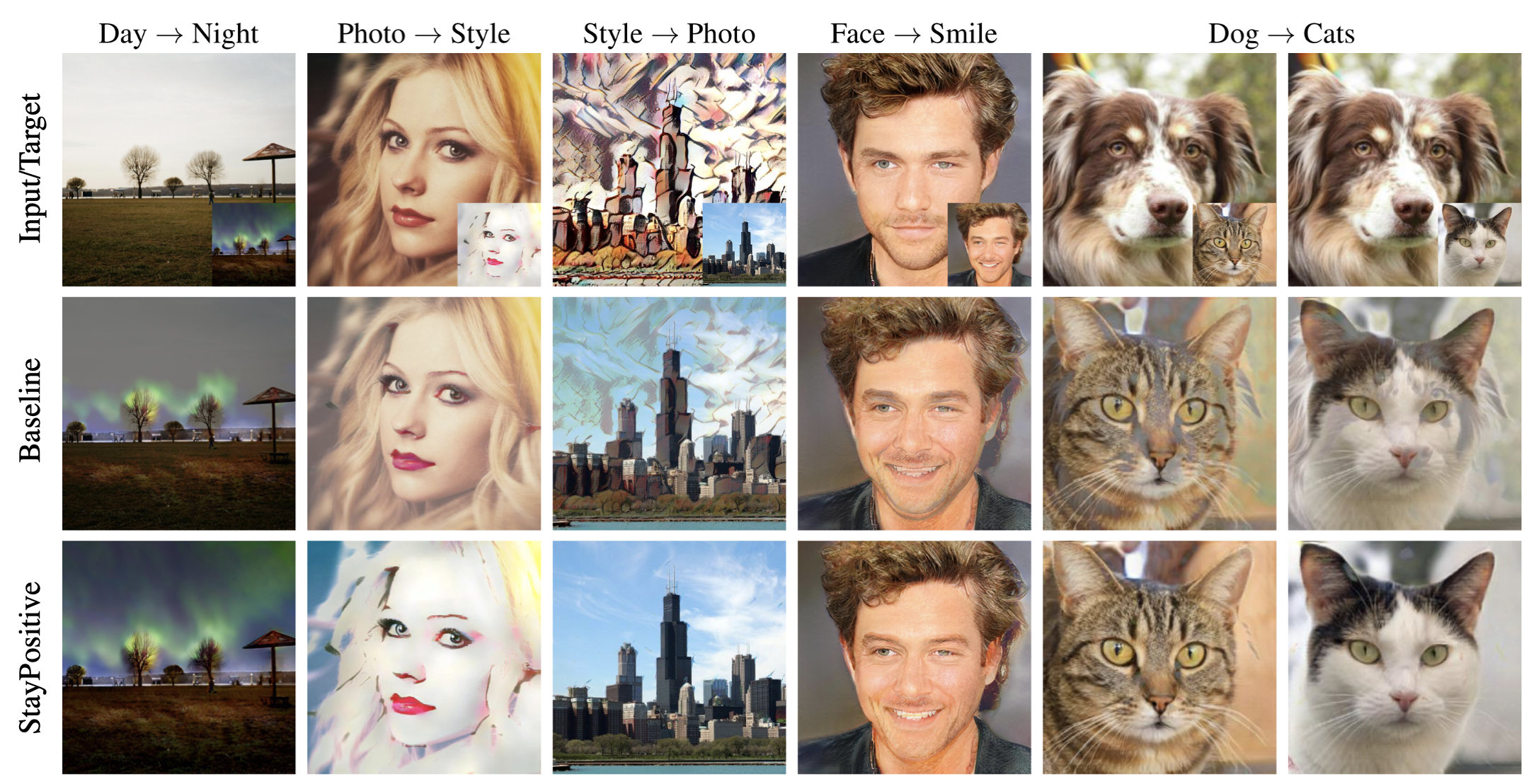
Stay Positive: Non-Negative Image Synthesis for Augmented Reality
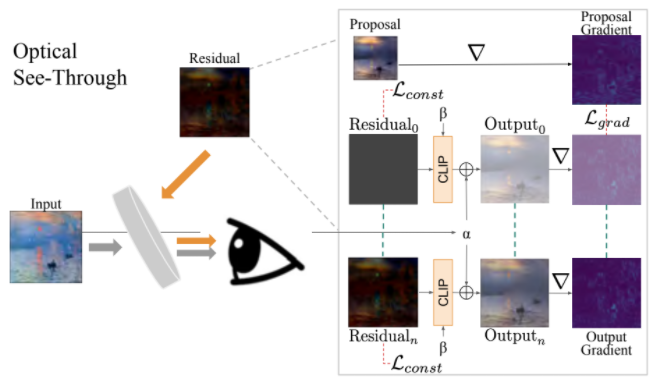
Residual Aligned: Gradient Optimization for Non-Negative Image Synthesis
Continuous Travel In Virtual Reality Using a 3D Portal
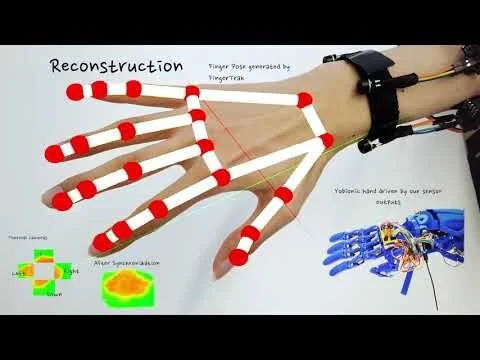
FingerTrak: Continuous 3D Hand Pose Tracking by Deep Learning Hand Silhouettes Captured by Miniature Thermal Cameras on Wrist
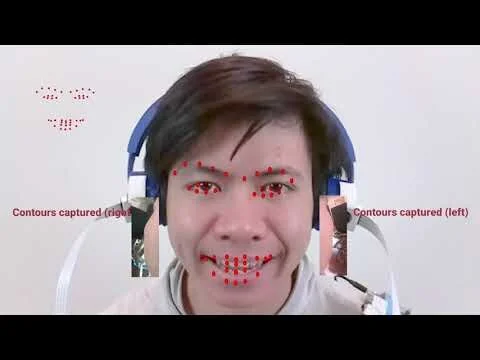
C-Face: Continuously Reconstructing Facial Expressions by Deep Learning Contours
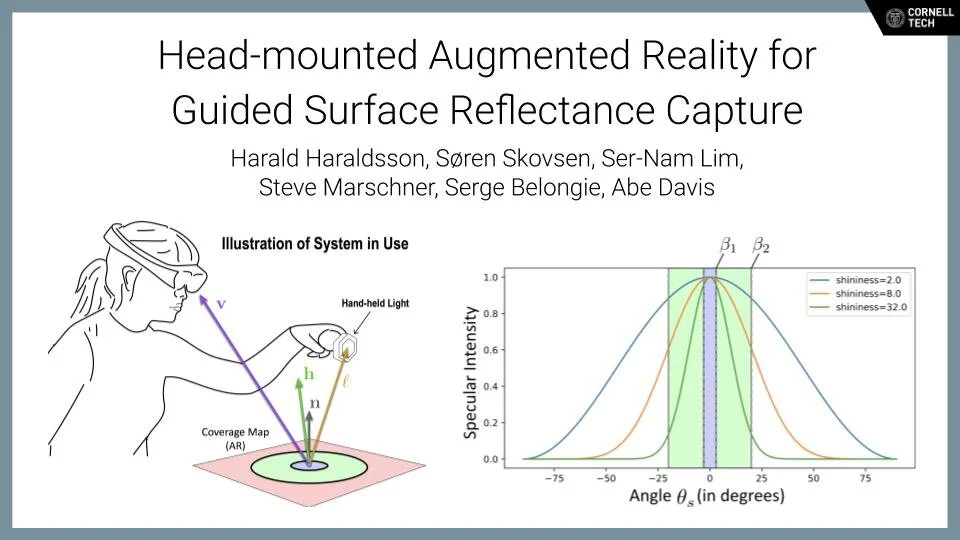
Head-mounted Augmented Reality for Guided Surface Reflectance Capture
Decoupled Localization and Sensing with HMD-based AR for Interactive Scene Acquisition
Learning Single-View 3D Reconstruction with Limited Pose Supervision
Learning the Depths of Moving People by Watching Frozen People
CGINTRINSICS: Better Intrinsic Image Decomposition through Physically-Based Rendering
Generating Spatial Attention Cues via Illusory Motion
A Face Recognition Application for People with Visual Impairments: Understanding Use Beyond the Lab
Understanding Low Vision People's Visual Perception on Commercial Augmented Reality Glasses
Learning Visual Similarity for Product Design with Convolutional Neural Networks
Context-Aware Asset Search for Graphic Design
Deep Painterly Harmonization
Promoting Human-Centered Architectural Design through Biometric Data and Virtual Response Testing
CueSee: Exploring Visual Cues for People with Low Vision to Facilitate a Visual Search Task
Virtual Reality as a Teaching Tool for Moon Phases and Beyond
Movement Visualizer for Networked Virtual Reality Platforms
Designing AR Visualizations to Facilitate Stair Navigation for People with Low Vision
Anon-Emoji: An Optical See-Through Augmented Reality System for Reducing Appearance Bias in Social Interactions
Annotate All! A Perspective Preserved Asynchronous Annotation System for Collaborative Augmented Reality
Markit and Talkit: A Low-Barrier Toolkit to Augment 3D Printed Models with Audio Annotations
VR-OOM: Virtual Reality On-Road Driving Simulation
Driving with the Fishes: Towards Calming and Mindful Virtual Reality Experiences for the Car
RoMA: Interactive Fabrication with Augmented Reality and a Robotic 3D Printer
Virtual Reality Exposure versus Prolonged Exposure for PTSD: Which Treatment for Whom?
AR For Equine Radiography Training
A Faust Based Driving Simulator Sound Synthesis Engine
How People Experience Autonomous Intersections: Taking a First-Person Perspective
Augmented Reality, Virtual Reality, and their Effect on Learning Style in the Creative Design Process
Store Design: Visual Complexity and Consumer Responses
Effects of Detail and Navigability on Size Perception in Virtual Envrionments
Nonverbal Synchrony in Virtual Reality
Again, Together: Socially Reliving Virtual Reality Experiences When Separated
Curating a Decolonial XR FutureMuseum: An Exercise in Speculative Architecture
Ready Student One: Exploring the Predictors of Student Learning in Virtual Reality
Supporting Self-Injury Recovery: The Potential for Virtual Reality Intervention
Virtual Environments for Design Research: Lessons Learned Use of Fully Immersive Virtual Reality in Interior Design Research
Comparing physiological responses during cognitive tests in virtual environments vs. in identical real-world environments
EEG-based Investigation of the Impact of Classroom Design on Cognitive Performance of Students
Evaluating Wayfinding Designs in Healthcare Settings through EEG Data and Virtual Response Testing